5 Tips for an Easeful Back to School Transition
School is back in session!
Somehow, someway it is already time for the back to school madness. Scheduling, shopping, planning, prepping - it is all so much! And if you have a kid that doesn’t always love school… or one that often has big meltdowns after school… it can be even more daunting. There are so many kids with these challenges and there are some really simple things you can do to help support them and your family. Most of them take a little bit of forethought, but a little bit of planning can go a long way.
Here are my top 5 tips to creating a more easeful back to school transition:
#1 - Don’t Skip Breakfast
We have all heard that it is the most important meal of the day and for kids, I think this is especially true. Prioritize breakfast! Although it seems like kids have endless amounts of energy - they still need fuel in order to focus, self-regulate, and feel good. Eating a filling breakfast sets their day up for success and can help prevent crashes we see near the end of the day. This is just as important advice for adults as it is for kids! Focus on offering foods that provide both fiber and protein for optimal fuel!
Fiber Protein
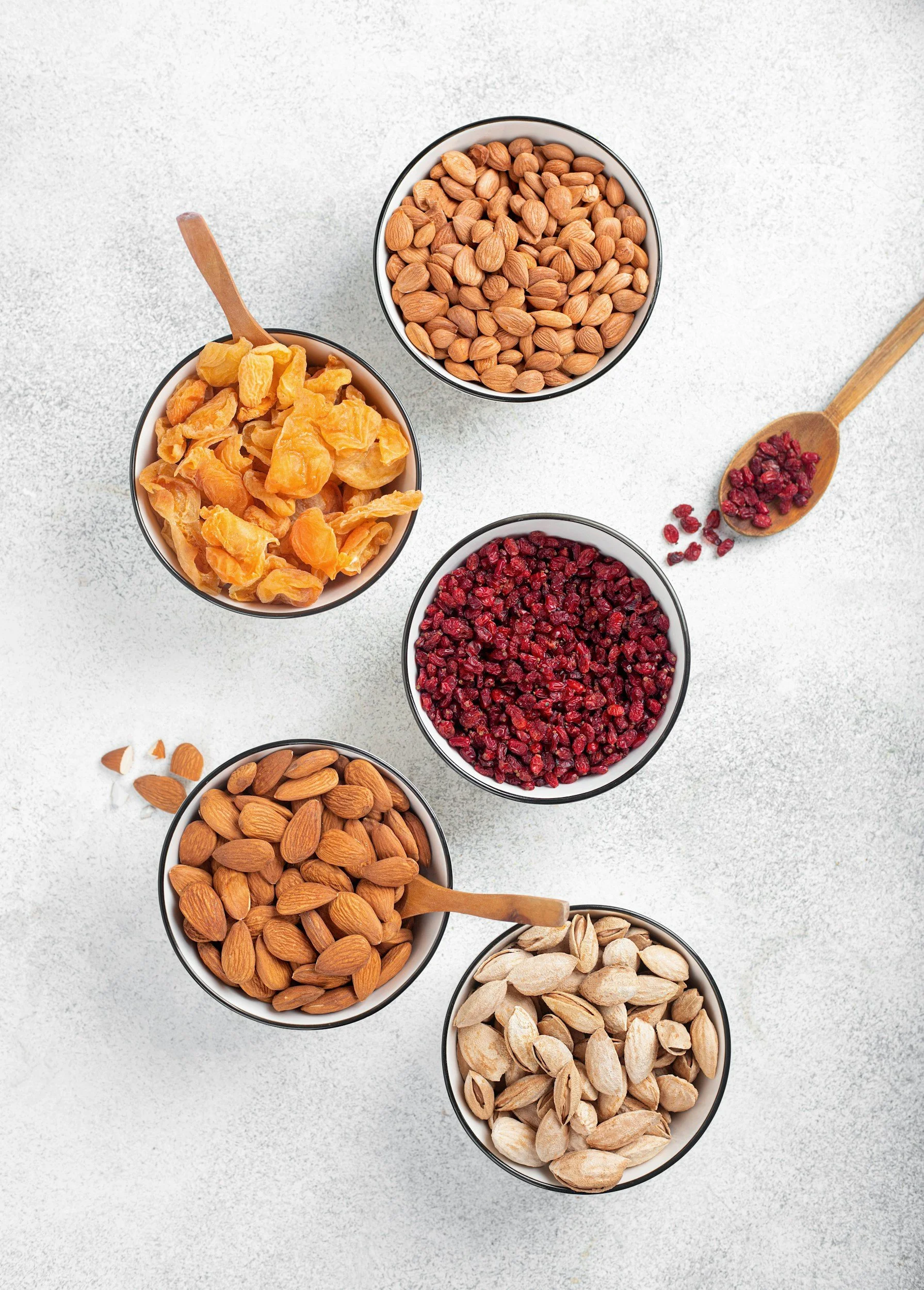
One of the most important pieces for overall nutrition and building a healthy immune system. Including fiber in every meal, especially breakfast, is a great way to support whole body regulation. My favorite forms of fiber for kids include berries, beans, spinach, broccoli, chia seeds, flaxseed, and whole grains.
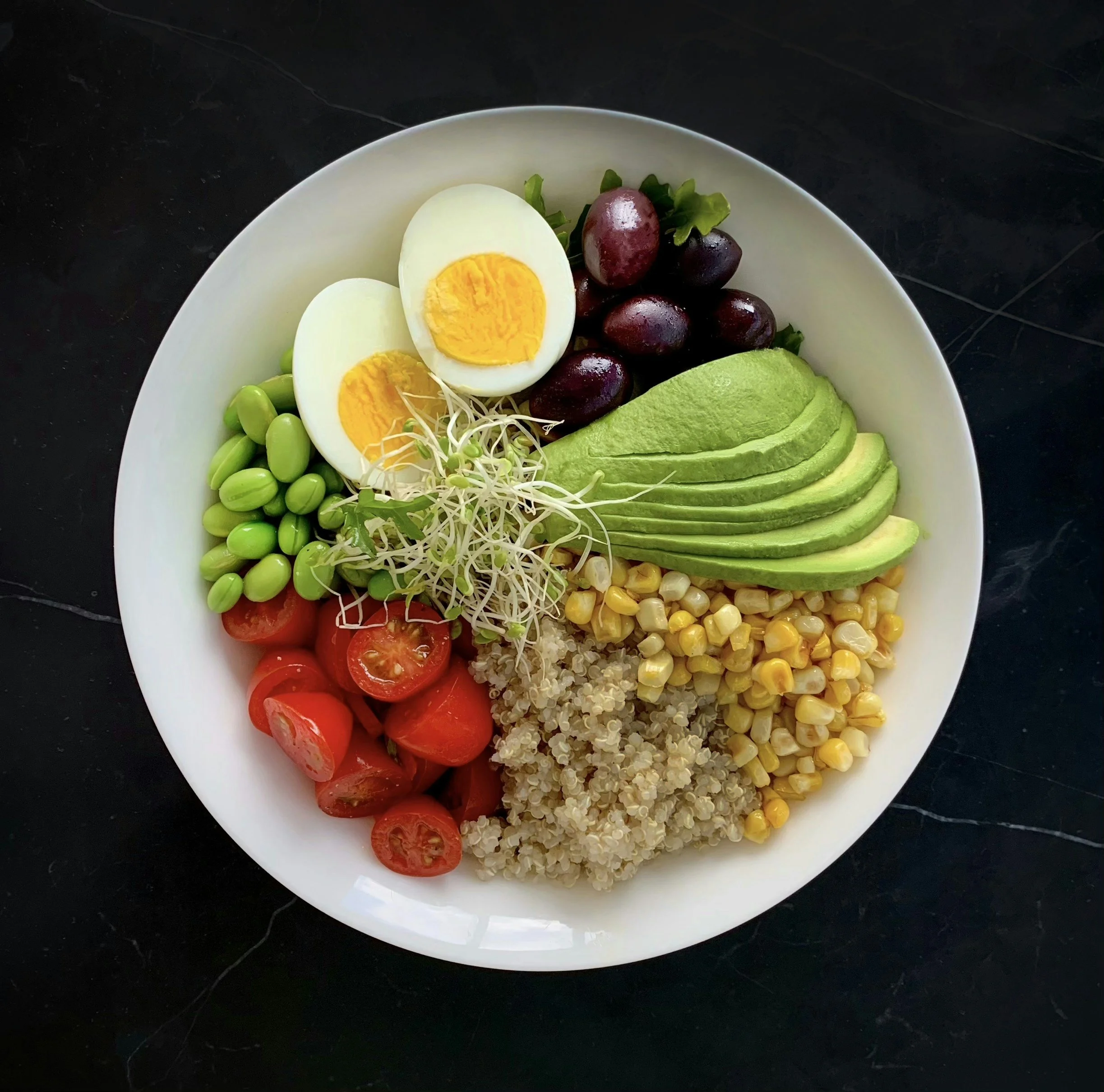
Protein is helpful to fuel the body, keep us full, and avoid sugar crashes. Including protein is a way to support regulation throughout the day. My favorite forms of protein for kids include nut butters, eggs, greek yogurt, meat and fish, tofu, edamame, and beans.
Breakfast options that provide both fiber and protein:
Popsicles - Yes, popsicles! Easy to prep and make a batch for the whole week. They are fun and exciting to eat for breakfast, but full of protein, fiber, and healthy fats to fuel them for the day.
Oatmeal Bars - Can be easy to prepare for the week, eat warm or cold, in the house or on the go.
Waffles - Another easy to batch bake and reheat throughout the week. Add flaxseed for more fiber and top with nut butter for a little extra protein.
Smoothies - A great way to pack in fiber, leafy greens, and protein and take on the go for busy mornings.
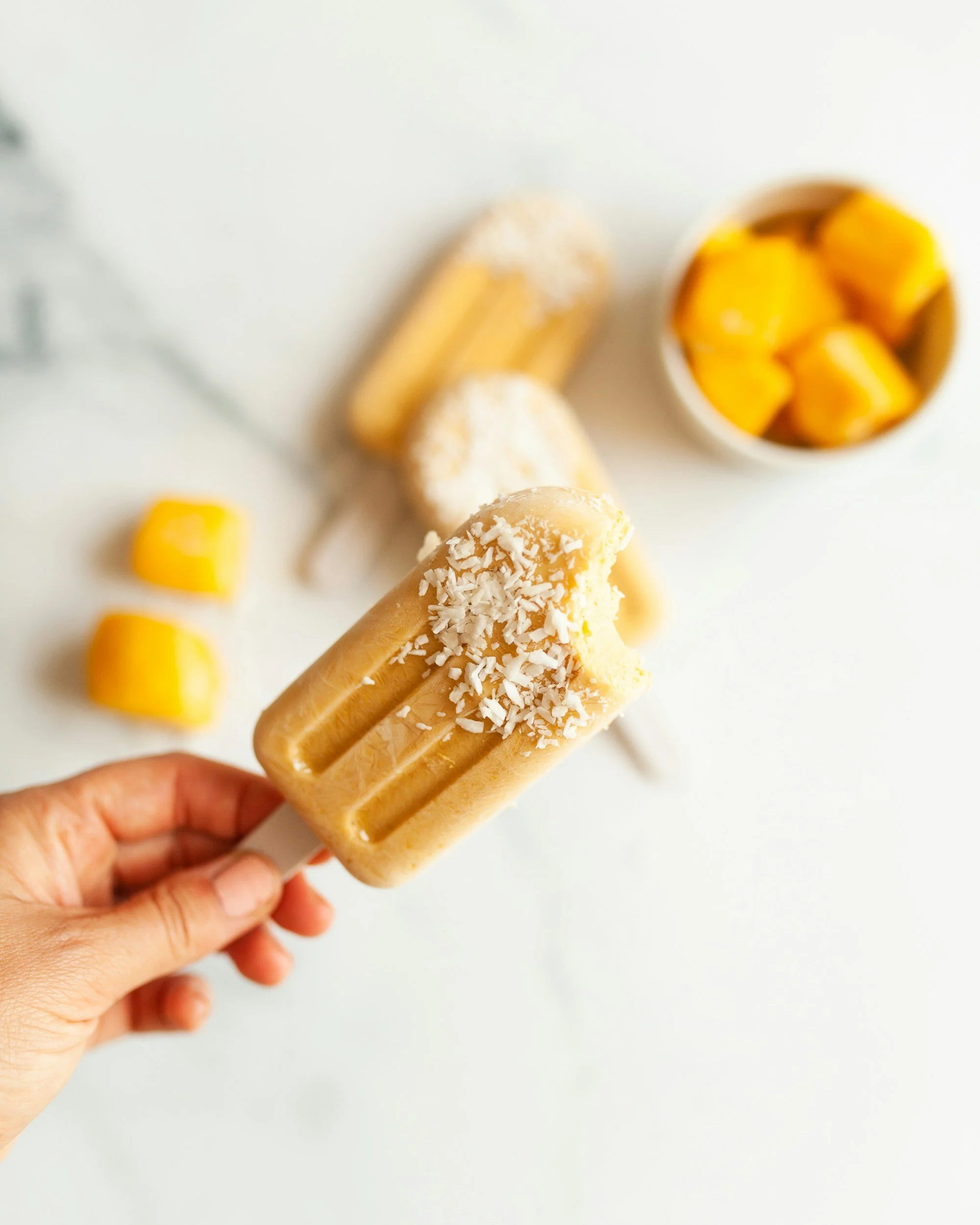
Mango Greek Yogurt Popsicle
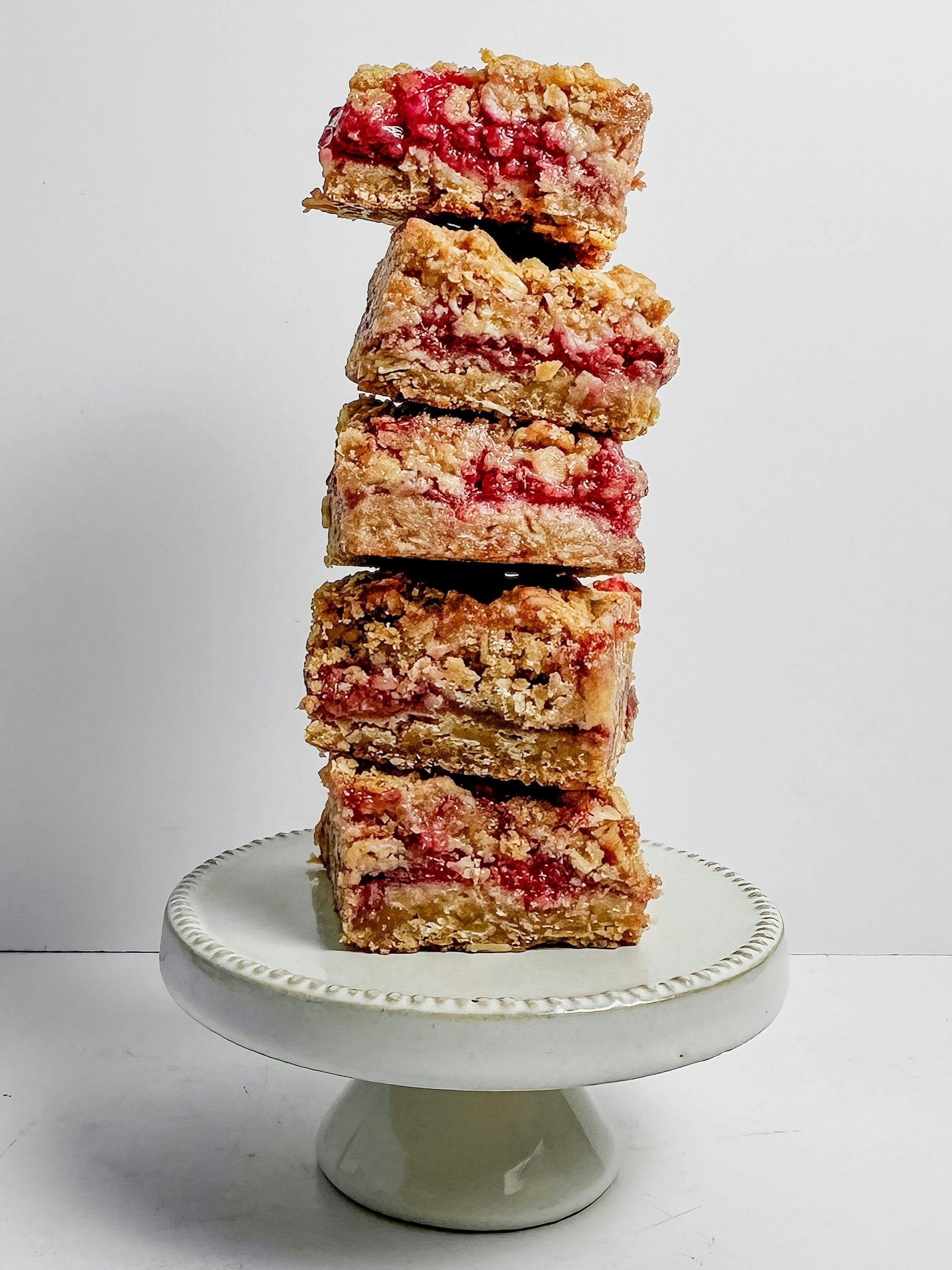
Raspberry Oatmeal Bars
“What happens before school is just as important as what happens at school.”
#2 - Simplify Your Morning
The core principle of my tips and advice is about preparation. When the morning is rushed, it causes stress and cortisol spikes for everyone in the family - even the dog! This kind of morning doesn’t help us to regulate throughout the day. So my second tip is to simplify your morning. Think about all the things that happen to get out the door in the morning: clothing, food, bathroom, backpack, sports/activity things, etc. That doesn’t even include connecting with your child, which is one of the most important things to support regulation.
Things to try:
Lay out clothes and shoes the night before
Place backpack (with all school materials) near the door
Have lunch made - or close to being made - or even just a plan for the morning
Meal prepped breakfast options (See Tip #1) with a bonus if your kids can warm them up or grab it themselves!
Use a visual schedule of your child’s morning routine to support their independence
Create your own visual schedule of things you need to do in the morning
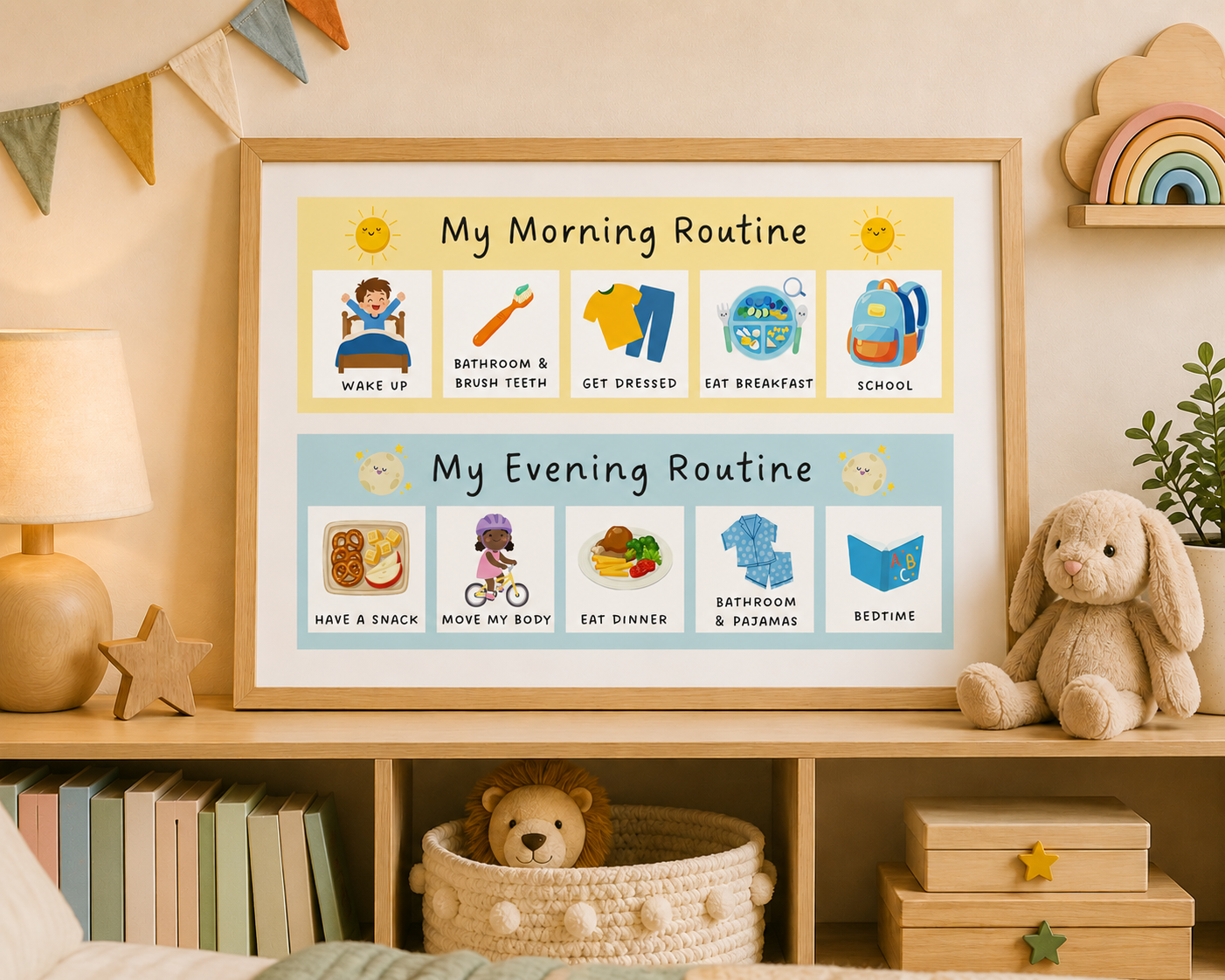
This colorful morning and evening routine visual schedule is a great tool to help supports kids independence during busy mornings. Easy to read pictures and words describe a typical morning routine to support executive functioning skills. Designed by a Pediatric OT.
#3 - Make a Plan
When our kids go to school each day, they are out of our control. Life happens, stress happens, fun happens, laughter happens, embarrassment happens, frustration happens. We don’t know how they are going to show up at the end of the school day. For many of our kids, they may have also been trying really hard all day to “be good”. And when they come to you, they can finally let go. Sometimes that looks like tears and sometimes that looks like yelling. Sometimes it takes a few minutes and a sweet treat and sometimes it requires a full on meltdown. The best thing we can do for our kids is connect and make a plan for after school support.
Connection First: Start by playing a game for a few minutes. Cards, obstacle course, pretend play, building - whatever your child loves.
Notice & Talk: Reflect on the previous school year or experiences and share what you notice. “I noticed last year, when I picked you up, you sometimes had a really hard time.” Offer your love and support. “I want to help you. Let’s talk about ways that can help”. Talk through idea options listed below and see what would be the best fit for your child.
Do you want to talk right away or have space, then talk?
What snack do you want after school? (Check Tip #4)
Do you want to have music on in the car, listen to music on your headphones, or have no music at all?
Would a blanket or weighted blanket or stuffy be helpful?
Make a Plan: Incorporate your decisions into an after school pickup plan, whether that is coming home on the bus or in a car. Tell your child that this plan is to help and it can adjust as needed.
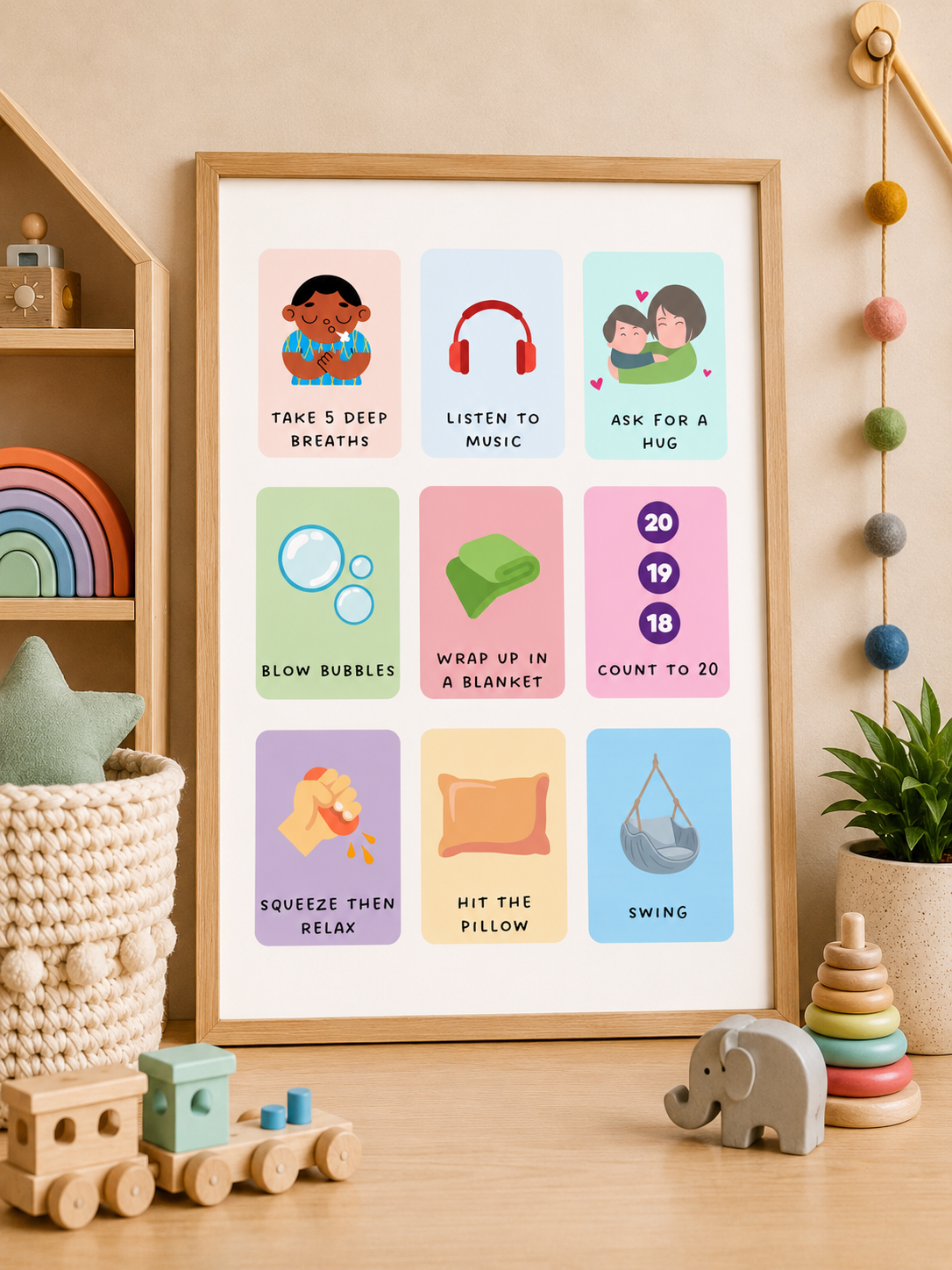
🌿 Give kids a visual toolbox for big feelings.
Designed with a pediatric occupational therapist’s eye for sensory-friendly, easy-to-scan visuals, this 9-strategy calming poster turns “calm down” into something a child can actually do. Each card pairs a simple icon with one clear action — no reading overwhelm, no abstract instructions, just concrete steps a child (or the adult supporting them) can point to in the moment.
☀️ What’s included:
9 calming and supportive strategies in one poster: deep breaths, listen to music, ask for a hug, blow bubbles, wrap up in a blanket, count to 20, squeeze then relax, hit the pillow, and swing
High-resolution printable file, ready to print at home or through a print shop
Clean, colorful design that fits playrooms, bedrooms, classrooms, and therapy spaces alike
✨ Why it works:
Supports co-regulation and self-regulation skills in a way that supports nervous system development and secure attachments
Visual + kinesthetic strategies meet kids where they are, especially useful for children who are neurodivergent, highly sensory, or still building emotional vocabulary
A calm-down corner staple: pair it with a cozy chair or fort and a bin of sensory tools for a ready-made regulation station
Gives parents, teachers, and providers a consistent, shared language for talking through big emotions
✔️ Great for:
• Home calm-down corners
• Classrooms & school counseling offices
• OT, speech, and therapy clinic waiting or treatment rooms
• Gifting to a teacher, therapist, or fellow parent
🌱 Details:
• Instant digital download — no physical item will be shipped
• Print at home, at a local print shop, or through an online printing service
A note from Dr. Meghan, the Occupational Therapist and designer:
This poster was created to make regulation strategies feel approachable and doable — not just another rule to follow. It’s been used in real OT sessions with Sunlight kids, with great success helping them build a go-to menu of calming (and fun!) options. When kids have a visual menu of calming options, they build independence in managing big feelings over time.
#4 - Have a Snack Ready
Food can be incredibly regulating. And kids can be HANGRY after school. We don’t want them walking in the house or into the car and having to make a decision on what to eat - that’s a recipe for emotional meltdowns. Instead, have one (or two for picky eaters) snack ready to go and available right after school. It doesn’t need to be eaten, but it’s there if needed.
Crunchy and chewy snacks offer great sensory input. Sucking a thick smoothie through a straw is another great way to offer more regulating input. Even just offering seltzer water or water with electrolytes can be supportive. This can be part of your plan from Tip #3!
Some examples of snacks include chewy granola bars, crunchy nuts or pretzels, dried fruit like raisins or apricots, thick smoothie, and raw vegetables like carrots or celery.
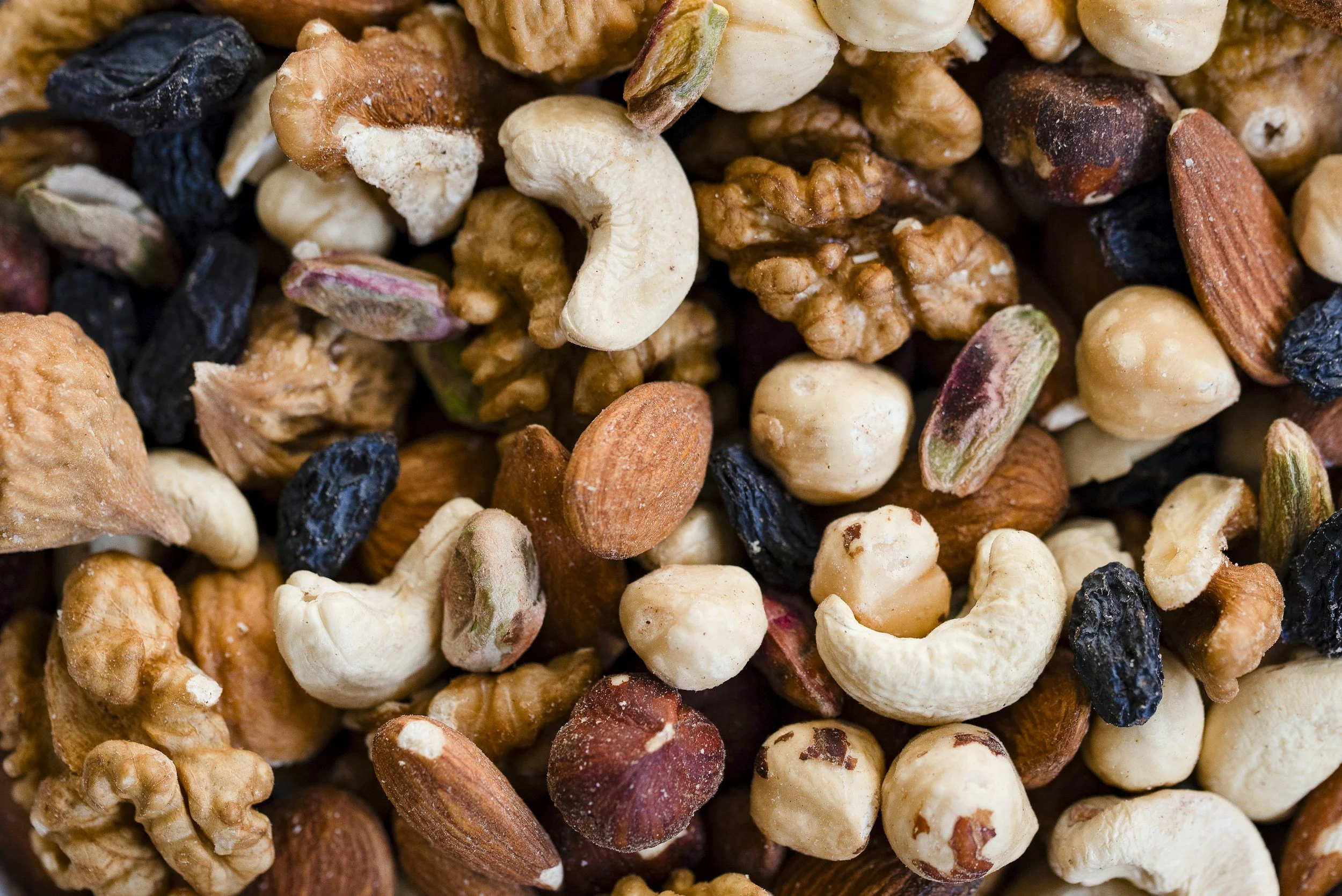
Trail Mix
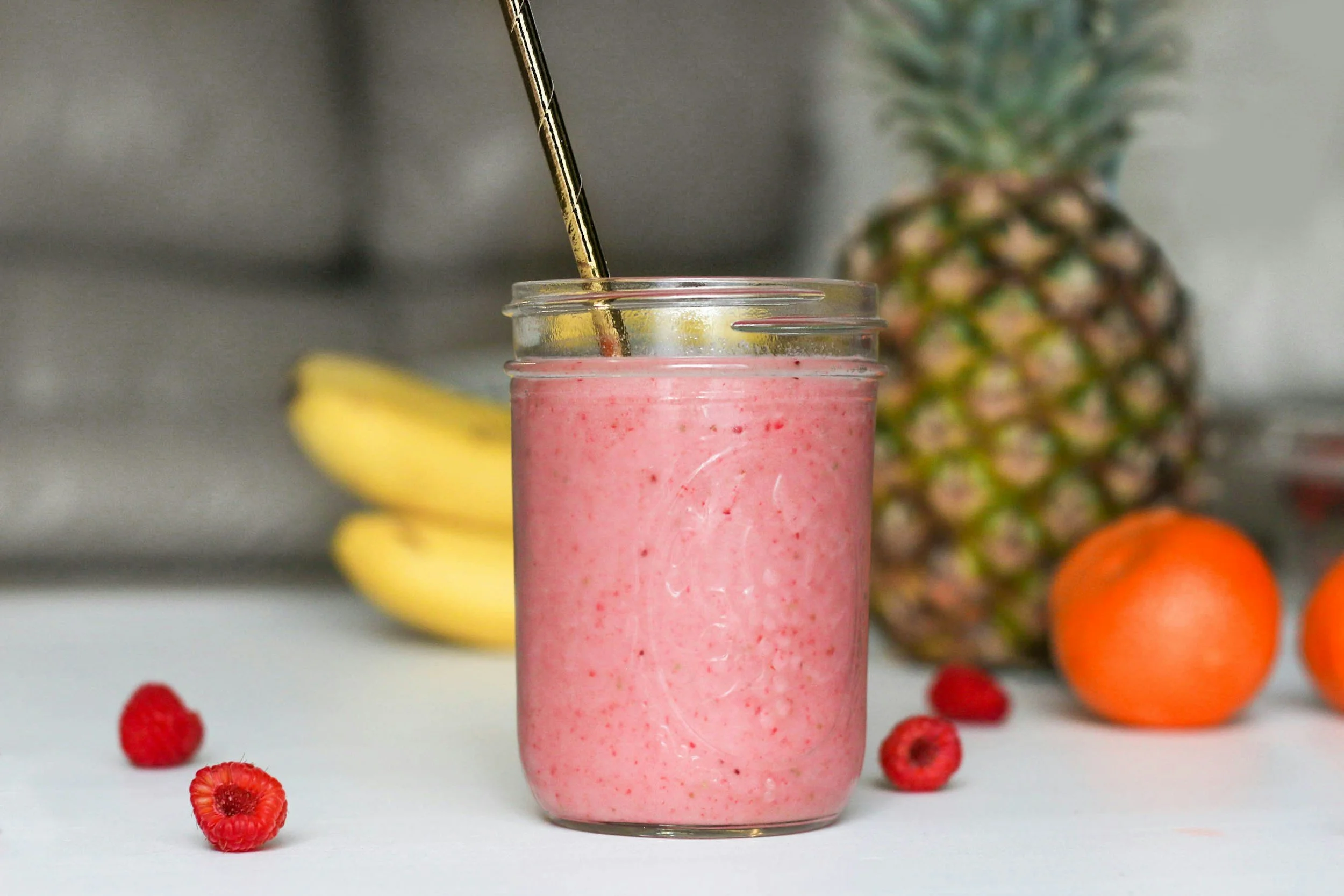
Fruit & Yogurt Smoothie
#5 - Move it, Move it!
Movement is so important for regulation and can even be a key to connection. If your child loves to run, jump, and play - make sure they have dedicated time for freedom and self-guided movement. If your child has a bit less energy when they come home, try to go for a walk or bike ride. Or even just stretch or dance together.
If you have a child who has lots of energy - and may have a hard time sitting still - try to include movement before and after school. Biking, scooter, walking, swinging, climbing, dancing, or even going through an obstacle course are all great options to get movement and regulating sensory input. In the morning, it can be hard to find the time for big movement so you can also incorporate movement while waiting for the bus (squats, jumping jacks, windmills, marching, animal walks) or while in the car (squeeze and release muscles, deep pressure hugs, exercise band on arms or legs, or squeeze fidget).
If you have a child who moves slower in the morning or trends towards anxious, movement can also be helpful. Even something simple as a hug and rocking back and forth can offer deep regulation. Yoga postures, stretching, squeezing and releasing muscles, can also provide regulating sensory input to prepare them for the day or release excess tension after school.
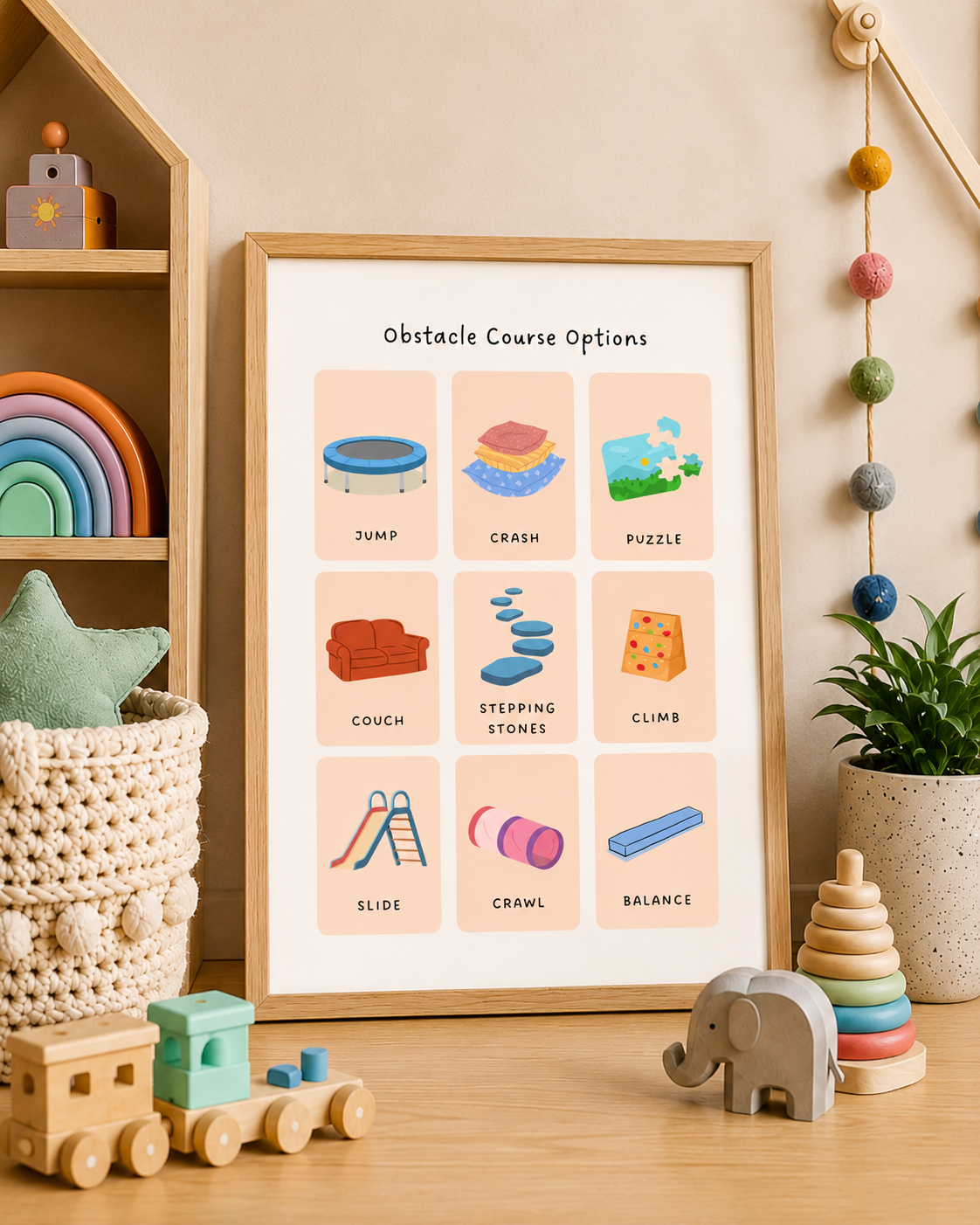
🏃 Turn everyday furniture and floor space into a full sensory-motor workout.
Designed with a pediatric occupational therapist’s eye for movement and regulation, this 9-card obstacle course poster gives kids (and the grown-ups building the course) a simple visual menu of gross motor stations — no gym equipment required. Each activity options provides sensory input that supports nervous system regulation!
☀️What’s included:
• 9 obstacle course stations: jump, crash, puzzle, couch, stepping stones, climb, slide, crawl, balance
• High-resolution printable file, ready to print and use as a reference card or cut apart into a choice board
• Bright, clear icons kids can “read” at a glance, even before they’re reading words
✨ Why it works:
• Gross motor input supports body awareness, coordination, and self-regulation — a core piece of pediatric OT and sensory processing work
• Movement breaks help kids reset attention and energy between homework, therapy tasks, or transitions
• Mix and match stations to build a new course every time, using couch cushions, pillows, tape lines, or existing playground equipment
• Gives kids ownership: let them pick the order and “design” their own course
• Including a simple puzzle (6-9 pieces) offers a natural end to the obstacle course, supporting the transition away from this activity
✔️ Great for:
• Home movement breaks and rainy-day energy release
• OT, PT, and sensory gyms
• Classrooms and PE for brain-break stations
• Birthday parties and playdates
🌱 Details:
• Instant digital download — no physical item will be shipped
• Print at home, at a local print shop, or through an online printing service
A note from Dr. Meghan, the Occupational Therapist and designer:
Kids regulate through movement before they regulate through words. This poster was built to make that movement easy to set up and repeat — a go-to for burning energy, building body awareness, and having fun while doing it.
These five tips are great examples of how to better support your child’s regulation before, during, and after school. The big meltdowns can be so intense and overwhelming. It can feel out of control and impossible to change, but there are things that can help. Try these strategies for a few weeks, knowing that each day won’t be perfect. If after awhile, things don’t seem to be working, reach out to a therapist like me that specializes in understanding nervous system and emotional regulation skills to get more individualized support for your family.